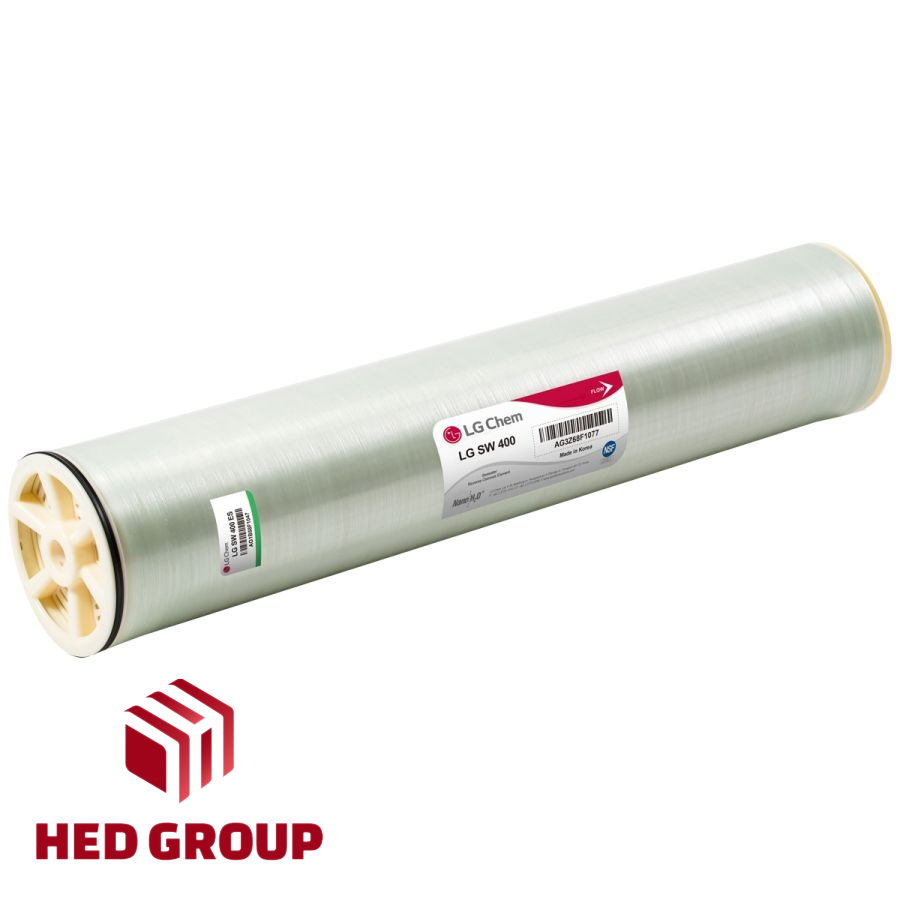
Nowadays, the concept of RO membranes is no longer unfamiliar to consultants, contractors, and investors. The Thin Film Composite (TFC) technology is a traditional technology adopted by all major manufacturers worldwide, such as Dupont, Toray, Suez, and Nitto Denko, for the past five decades.
RO membranes play a crucial role in the field of water treatment (seawater, potable water, ultrapure water, industrial water, etc.). Therefore, most manufacturers continuously invest in research to optimize quality and bring the highest benefits to customers. As the world develops rapidly, particularly with breakthroughs in technology and materials, how do RO membranes fare?
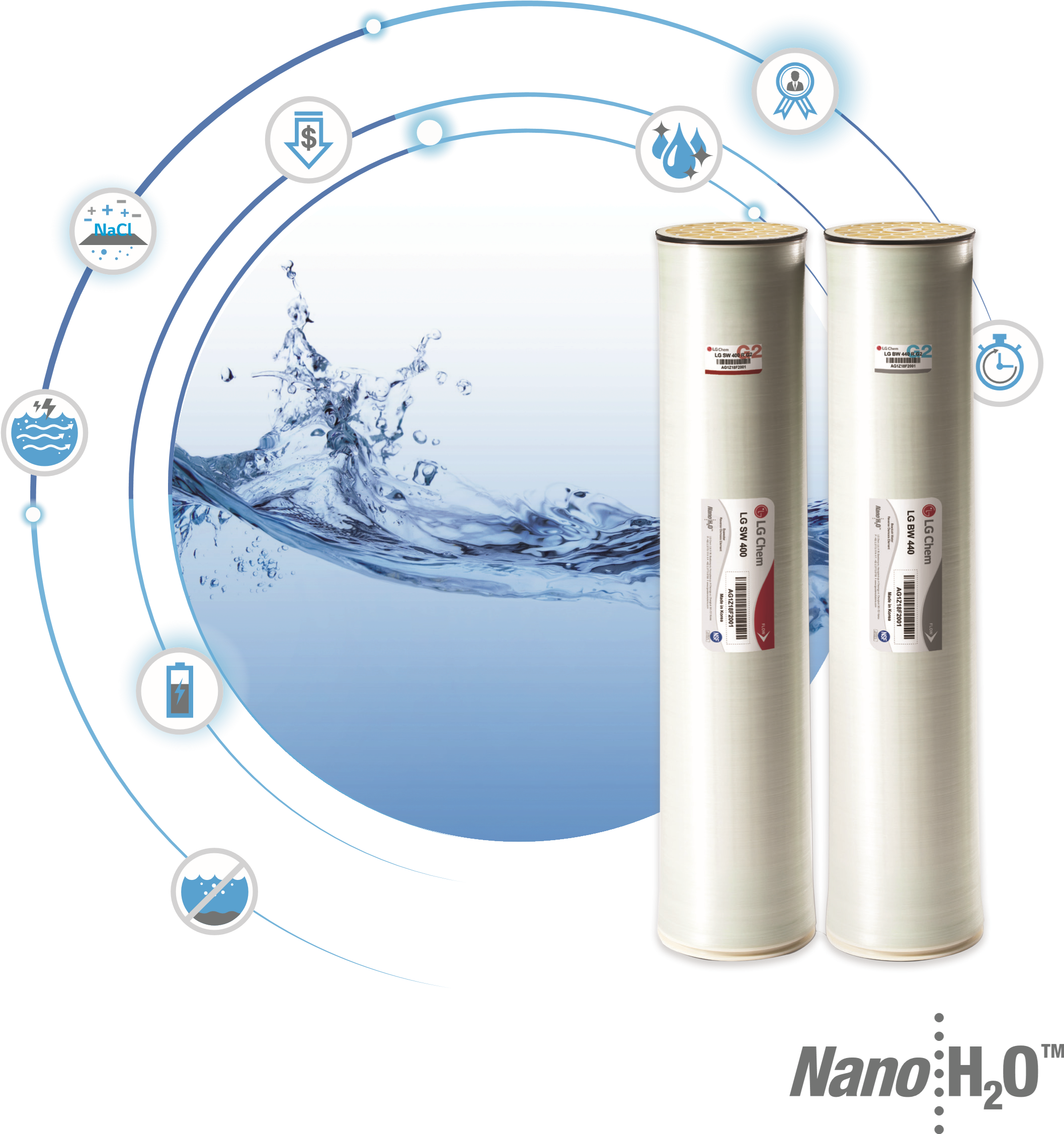
The traditional TFC technology still performs well but has certain limitations. So, is there any new technology that can overcome these limitations? To address this issue, the American NanoH2O™ Group (merged with LG Chem in 2014) invested in researching new technologies and materials for RO membranes. After more than five years of research, American scientists have developed new technology and materials for RO membranes. This is the Thin Film Nanocomposite (TFN) nanomaterial technology, which offers customers significant advantages in terms of investment and operational costs:
Due to these groundbreaking advancements, the NanoH2O™ seawater RO (SWRO) membrane currently holds the largest market share in the world (source: Global No. 1 in Seawater RO).
In addition to its superior SWRO capabilities, the NanoH2O™ RO membrane also offers various membranes for different feedwater sources such as brackish water and fresh water, catering to most industrial sectors including ultrapure water for pharmaceuticals, semiconductor technology, industrial water, boiler water, wastewater reuse, and even drinking water.
The NanoH2O™ seawater RO membrane from LG Chem is currently the world’s No. 1 SWRO membrane, with over 4 million cubic meters of seawater filtered daily. Thanks to the Thin-Film-Nano-Composite (TFN) technology using nanomaterials on the RO membrane, it enhances fouling resistance and salt rejection while maintaining high flow rates and low operating pressure compared to conventional Thin-Film-Composite (TFC) RO membranes. This results in more stable and durable membrane performance.
Depending on the specific feedwater and treatment requirements, LG Chem offers various RO membrane models suitable for specific applications.